Did you know the global apparel industry throws away over 90 million tons of textile waste every year? This huge number shows we need a big change in how we shop for clothes. As we look ahead, conscious consumerism is more than just a trend; it’s essential for our planet.
Companies are now moving away from making lots of clothes at once. For example, Sumissura only makes clothes after they get an order. This smart move cuts down on waste and saves resources. By supporting these innovators, we can create a wardrobe that’s both stylish and eco-friendly.
Finding your way in this new world can be tough, but we’re here to guide you. We aim to show you the top sustainable fashion brands 2026 has to offer. Let’s see how you can make greener choices today.
Key Takeaways
- The apparel industry currently produces millions of tons of waste annually.
- Custom-made clothing models eliminate the need for large, unsold inventory.
- Reducing textile waste is a primary goal for modern, responsible companies.
- Conscious shopping helps align your personal style with global environmental goals.
- We provide a curated guide to help you identify the best industry leaders.
Defining Your Personal Criteria for Ethical Style
True ethical style begins before you shop. The best sustainable garment is often the one in your closet. By checking what you already have, you can avoid buying too much and lessen your environmental impact.
Assessing Your Current Wardrobe Needs
Start with a thorough closet audit. Take out every item and sort them into three piles: keep, repair, or donate. This helps you see what you really need and what was just a quick buy.
“The most sustainable fashion is the one that already exists in your wardrobe.”
When checking your needs, ask yourself:
- Does this item fit my current lifestyle and daily activities?
- Is the quality high enough to last for several more years?
- Can I style this piece in at least three different ways?
Identifying Your Core Environmental Values
After finding out what you need, define what sustainability means to you. Different eco-friendly clothing companies focus on different things. Your values will help you choose the right brand for you.
Think about what matters most to you:
- Animal Welfare: Looking for vegan materials or cruelty-free certifications.
- Carbon Reduction: Supporting brands that make clothes locally and use renewable energy.
- Fair Labor Practices: Making sure the people who make your clothes get paid well.
By knowing what you value, you can pick the right eco-friendly clothing companies. This way, every new piece you buy will support your long-term goals for the planet. Knowing your values is key for being a conscious consumer.
Researching Transparent Supply Chains
We think true style comes from knowing who made our clothes and where they came from. Transparency is the cornerstone of trust when we check if ethical fashion labels are real. By digging deeper, we make sure our buys match our values.
Verifying Factory Labor Standards
It’s crucial to know that the people making our clothes are treated well. We look for brands that show us proof of their factory conditions and pay. Saying they’re ethical isn’t enough; they must show us.
Many ethical fashion designers share lists of their factories to show they care about human rights. We check if a brand does third-party audits or works with safety groups. These steps help us know our clothes aren’t part of bad global practices.
Tracking Material Sourcing and Origin
Knowing where raw materials come from is as key as knowing where clothes are made. Some brands use tech to show us from farm to finished product. For example, Another Tomorrow uses QR codes to share their supply chain story.
Scanning these codes lets us see where fibers were grown and processed. This radical transparency helps us choose clothes that are good for the planet. By backing brands that are open, we push the whole industry to do better.
Evaluating Sustainable Fashion Brands 2026
We need to look beyond what brands say to find true leaders in the eco-friendly fashion industry. Many labels use vague terms to talk about their environmental impact. To make smart choices, we should trust third-party verification, not just brand promises.
Analyzing Certifications Like GOTS and Fair Trade
Checking for recognized certifications is a reliable way to judge sustainable fashion brands 2026. These labels show that a company meets certain social and environmental standards.
The Global Organic Textile Standard (GOTS) is key for organic fibers. It ensures products are made without harmful chemicals and workers are treated fairly. Fair Trade certification also shows that farmers and workers get living wages and work in safe conditions.
Reviewing Brand Transparency Reports
We should also look at how much a company shares about itself. Transparency reports give us a peek into a company’s inner workings. They show how a business is working towards sustainability goals.
For example, Chloé became the first luxury fashion house to get B Corp certification in 2021. This shows that even high-end brands can focus on social and environmental performance and still make money. By looking at these reports, we can tell which companies are really making changes and which are just using buzzwords.
Prioritizing Eco-Friendly Materials
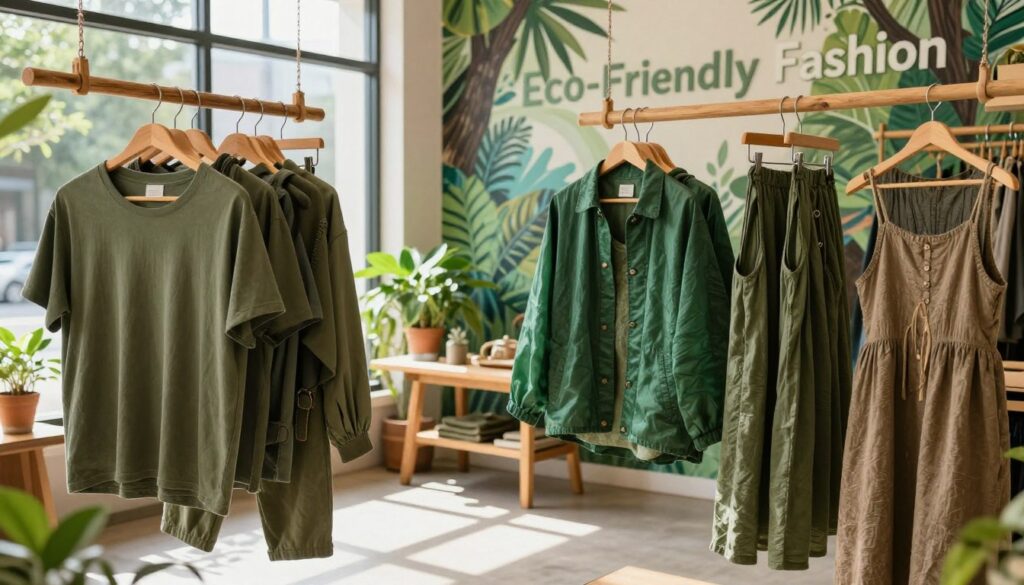
The fabrics we choose today affect our planet’s future. By looking at what our clothes are made of, we can lessen our environmental impact. Many green apparel brands are now using better materials instead of old ones.
Understanding Organic Cotton and Hemp Benefits
Regular cotton uses a lot of water and harmful chemicals. This harms the soil over time. Organic cotton, on the other hand, is grown without these chemicals. It helps keep the environment healthy.
Hemp is another great choice for sustainable clothes. It grows fast and needs little water. It also makes the soil better, which is good for the land.
The Role of Recycled Synthetics in Modern Apparel
New technology lets us use recycled plastics in clothes. Brands are now making clothes from recycled polyester and nylon. This helps reduce waste and cuts down on carbon emissions.
Designers are also looking into new materials instead of leather. Stella McCartney uses Mylo, a leather made from mushrooms. This is a big step towards making fashion better for the planet.
Navigating Greenwashing in the Fashion Industry
Exploring the eco-friendly fashion industry brings up greenwashing. Many companies use false claims to seem more green. This can confuse even the most eco-aware shoppers.
It’s key to spot these tricks to protect your money and the planet. By looking beyond what’s on the surface, we can choose what truly fits our values.
Spotting Vague Marketing Claims
Brands often use broad terms like “natural,” “green,” or “conscious” to attract eco-conscious shoppers. But these terms are often used without proof or third-party checks.
When you see these labels, ask for specific details about the supply chain or materials. If a brand can’t explain how it’s better for the earth, its claims are likely just marketing tricks.
- Lack of transparency: No clear info on where or how items are made.
- Vague imagery: Photos of nature to imply greenness without proof.
- Hidden trade-offs: Focus on one eco-friendly aspect while ignoring big environmental issues.
Tools for Fact-Checking Corporate Sustainability
We don’t have to face this alone. Many digital tools and rating sites help verify big brands’ claims.
For example, Good On You gives independent ratings on labor, environment, and animal welfare. It’s crucial to keep up, as even big names can change.
In July 2025, Vivienne Westwood’s rating fell to 2/5 due to transparency issues. This shows even famous brands in the eco-friendly fashion industry need constant checks.
By using these tools, we can back environmentally-conscious fashion with real facts, not just ads.
Building a Capsule Wardrobe with Ethical Labels
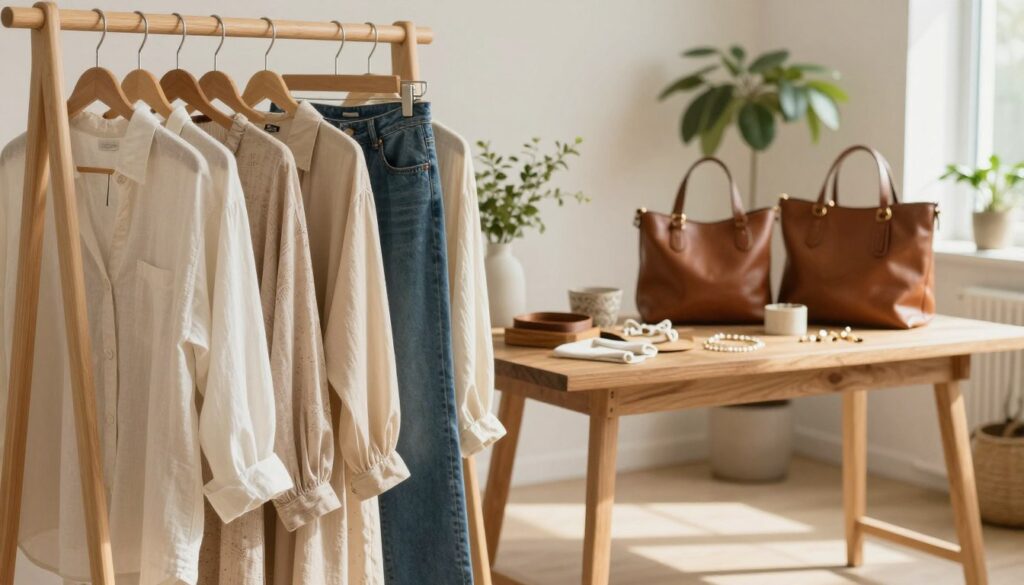
Creating a capsule wardrobe is a great way to simplify your life and help the planet. It means choosing a few essential items to reduce clutter and waste. This approach helps us focus on ethical fashion labels that care for people and the environment.
Selecting Versatile Pieces for Longevity
Building a sustainable closet means picking items that are versatile. We look for neutral colors and classic styles that work all year. This way, every piece has a purpose in our daily lives.
Many ethical fashion designers create clothes that last, not just follow trends. They use high-quality materials like organic linen or hemp. This ensures our clothes stay stylish and comfy for years.
“True sustainability in fashion is not just about the materials we use, but about the longevity of the design and the emotional connection we build with our clothes.”
Investing in Quality Over Quantity
Buying fewer, better items can save money and resources. Instead of cheap trends, we choose durable clothes that last. This mindset supports a circular economy.
Brands like Eileen Fisher are leading the way. Their Renew program turns 33% of returned items into insulation or rags. This shows ethical fashion designers are serious about reducing waste.
| Feature | Fast Fashion | Ethical Capsule |
|---|---|---|
| Material Quality | Low (Synthetic) | High (Natural/Recycled) |
| Design Focus | Trend-driven | Timeless/Versatile |
| Lifespan | Short-term | Long-term |
| Production | Mass-produced | Transparent/Fair |
Choosing ethical fashion labels supports a system that values craftsmanship. Start by replacing old items with new ones that reflect your values. This small change can make a big difference in creating a responsible wardrobe.
Supporting Circular Fashion Initiatives
Circular fashion is a big change from the old “take-make-waste” way. It keeps clothes in use longer, cutting down on waste. These sustainable fashion trends help us create a wardrobe that lasts.
Engaging with Brand Take-Back Programs
Many brands now have take-back programs to keep clothes out of landfills. You can return worn items to them for recycling or upcycling. It’s a simple yet powerful way to join a closed-loop system.
Services like Reflaunt make it easy to manage old purchases. They add resale, donation, and recycling options to online stores. By picking brands that focus on sustainable fashion trends, we help create a waste-free future.
Exploring Resale and Repair Services
Resale and repair services have changed how we see second-hand clothes. They help us find value in items that might be thrown away. Check out the circular fashion fund to see how innovation is changing the game.
Fixing your clothes is key to circular fashion, but often overlooked. Investing in quality repairs can make your favorite pieces last longer. Whether you go to a local tailor or use a digital service, these small actions add up to a big movement.
Utilizing Digital Platforms to Find Green Apparel Brands
Thanks to digital platforms, finding eco-friendly clothing companies is now easy. We don’t just trust what brands say. We can check their claims with technology and make sure our values match our purchases.
Leveraging Sustainability Rating Apps
Sustainability rating apps are a vital filter for today’s shopper. They turn complex data into simple scores. With apps like Good On You, we can see how brands treat workers, the environment, and animals.
These apps give us objective insights to avoid greenwashing. They let us compare green apparel brands before buying. This transparency helps us choose clothes that support a greener planet.
Following Ethical Fashion Influencers and Directories
We can also turn to directories and experts for guidance. Ethical fashion influencers dive deep into brand practices. They share sustainable fashion finds that stand out from fast fashion.
For those interested in sustainability’s business side, Seedtable is valuable. It tracks over 71,000 companies and scores them based on momentum. This helps us find innovative, impactful startups. By using these digital tools, we can create a sustainable wardrobe.
Budgeting for Environmentally-Conscious Fashion
Many think environmentally-conscious fashion is too expensive. But, it’s not always true. Sustainable clothes might cost more upfront. Yet, they last much longer than fast-fashion items.
By changing how we think, we can see these clothes as long-term investments. Not just something to throw away.
Calculating Cost-Per-Wear Value
Looking at a garment’s true value means more than just its price. The cost-per-wear formula is simple. It’s the total price divided by how many times you’ll wear it.
A $100 shirt that lasts five years is cheaper than a $20 shirt that only lasts three washes.
Brands like Patagonia make clothes that last a long time. They also give a part of their profits to help the environment. This makes the clothes even more valuable.
Choosing durable clothes means you don’t need to buy new ones as often. This helps save money and the planet.
Finding Affordable Ethical Alternatives
Creating a sustainable wardrobe doesn’t have to break the bank. Start by figuring out what you need. This way, you avoid buying things on impulse.
This approach helps you build a versatile and functional closet. Every dollar you spend is worth it.
Look for environmentally-conscious fashion in second-hand stores or during sales. Many brands now show you exactly where your money goes. This way, you can stay stylish without overspending.
Maintaining Your Sustainable Collection
Keeping your clothes for longer is a key part of sustainable fashion trends. Buying quality items means we care for them well. This way, our favorite clothes last for many years.
Proper Care Techniques to Extend Garment Life
To keep your clothes looking new, we need to be mindful. Stella McCartney started the Clevercare labelling system in 2014. It shows how to wash and store clothes to avoid damage.
“The most sustainable garment is the one already in your wardrobe. Taking care of what you own is the ultimate act of style.”
Always check the labels before washing. Fixing small tears and storing knitwear flat helps a lot. Learning about slow fashion makes us value each piece more.
Eco-Friendly Laundering Practices
Old laundry habits use too much energy and water. Washing in cold water saves energy and keeps clothes in good shape. Air-drying clothes instead of using a dryer also helps.
The table below shows how different care methods affect your clothes:
| Care Method | Energy Impact | Fabric Longevity |
|---|---|---|
| Cold Water Wash | Low | High |
| Air Drying | Zero | High |
| Machine Drying | High | Low |
| Professional Dry Cleaning | Moderate | Variable |
By following these sustainable fashion trends, you help your clothes and the planet. Making small changes in how we handle clothes has a big impact. We should treat our clothes like treasures that deserve care.
Conclusion
Creating a sustainable wardrobe is a meaningful journey. It requires research and intentionality. Your commitment to long-term values shapes the future of the fashion industry.
Every purchase is a vote for the world you want to live in. Brands like Patagonia and Eileen Fisher show that style and ethics can go hand in hand. Your choices as a consumer can really change global production standards.
We hope this guide gives you the confidence to shop wisely. You now have the tools to build a collection that shows your unique personality and care for the planet.
Begin your transition by checking your closet and picking one item that fits your vision. Share your favorite ethical finds with us on social media to inspire others. Your journey to a greener lifestyle starts with one thoughtful choice.